
pp6 PH Login | Understanding the Intriguing World of Tabletop Games
pp6 PH Login’s A deep dive into the world of tabletop games, examining their evolution, genres, and the cultural significance of gaming communities, including the role of 'pp6 PH Login' as a connection point for enthusiasts.
Understanding the Intriguing World of Tabletop Games
The universe of tabletop games is a fascinating realm where imagination, strategy, and camaraderie intermingle to create immersive experiences. From the vintage appeal of chess to the complexity of role-playing games like Dungeons & Dragons, tabletop games are enjoying a resurgence. They offer something digital alternatives cannot—tactile interaction and social engagement. In this article, we delve into the components defining this intricate world, focusing on elements like gameplay mechanics and community culture. The keyword “pp6 PH Login” ties into our exploration, providing an entry point for enthusiasts in the Philippines to interact and engage with the hobby.
The Evolution of Tabletop Games
Tabletop games have a rich history dating back thousands of years. Ancient civilizations played variants of these games for entertainment, strategy, or religious purposes. The Renaissance period in Europe saw the development of games like chess and draughts which emphasized strategy and skill. Today, the modern reincarnation incorporates diverse genres and themes, reflecting the varied interests of global audiences.
Genres and Styles
Diverse genres provide a wide array of choices for tabletop enthusiasts. From strategy games that involve critical thinking to role-playing games encouraging creativity, there's something for everyone. Eurogames, known for their elegance and depth, are particularly popular. Games like Catan and Ticket to Ride are staples in this category, emphasizing strategy without eliminating players.
Meanwhile, Warhammer and Magic: The Gathering dominate the competitive scene with their intricate mechanics and community-driven events. Players invest significant time in learning rules and mastering gameplay strategies, contributing to rich community interactions. Role-playing games, or RPGs, allow players to step into fantastical worlds, collaboratively creating narratives and adventures. These games are not just a pastime but a medium for storytelling and personal expression.
Component and Gameplay Mechanics
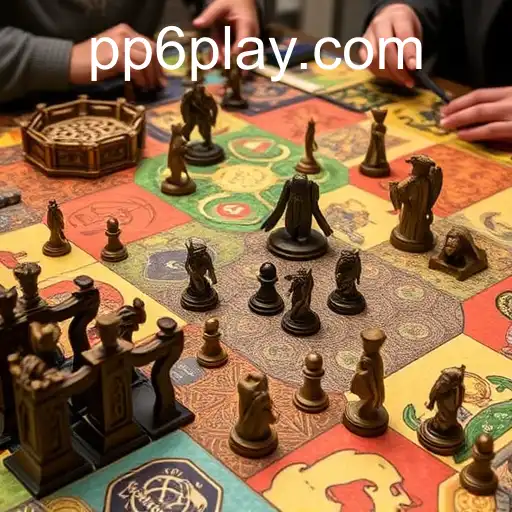
Tabletop games are characterized by the physical components that facilitate play. Boards, miniature figures, dice, and cards are common elements. The texture and design of these components add to the tactile enjoyment, providing an experience digital games cannot. The mechanics of these games—the rules and systems governing play—vary widely.
Some games employ an action point system, granting players a limited number of actions during their turn. Others may use resource management or a worker placement mechanism, challenging players to allocate resources efficiently. Each game has unique mechanics that define the player experience, often becoming the key element that attracts and retains players' interest.
The Role of Community
One of the most appealing aspects of tabletop gaming is its community aspect. Shared experiences around a table foster friendships and social connections. Local game nights and conventions provide platforms for players to connect, compete, and collaborate. The keyword "pp6 PH Login" is significant in this context, indicating a digital meeting ground for Filipino players. It serves as an access point where players can share strategies, organize game nights, and discuss gaming tips, adding a digital facet to community interactions.
Social and Educational Benefits
While primarily entertainment-focused, tabletop games offer educational and social benefits. They enhance cognitive skills such as problem-solving, critical thinking, and strategy formulation. Socially, they improve communication and teamwork, making them ideal tools for educational settings. Games like Monopoly teach financial literacy, while others like Guess Who? foster deduction and logic skills amongst younger players.
Challenges and Future Trends
Despite their rising popularity, tabletop games face challenges. New players may find complex rules intimidating, and the cost of acquiring quality games can be prohibitive. Creators are tackling these issues by simplifying rules and creating more affordable game versions. Another emerging trend is the integration of technology. Apps that assist in gameplay, augmented reality that enhances experience, and digital platforms offering virtual play are on the rise. These innovations ensure that tabletop games stay relevant in an increasingly digital world.
Conclusion
The world of tabletop games is ever-evolving yet rooted in core traditions of social interaction and strategic play. As we explore this fascinating domain, we find a tapestry of games that are as diverse as the people who play them. With the integration of digital platforms like pp6 PH Login, the community aspect is further enriched, connecting players across geographical barriers. Tabletop games offer timeless appeal, ensuring that they remain an integral part of cultural and social landscapes globally.
